Book an Appointment
Note: This is an appointment request only Depending on the availability of the consultant, appointment will be confirmed to you through mail/call The appointment requests can be made minimum 48 hrs in advance
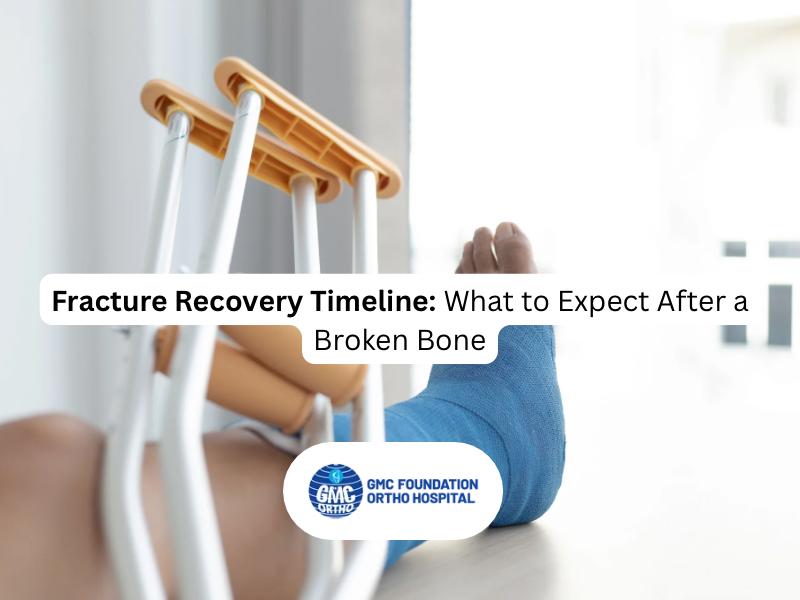
Fracture Recovery Timeline: What to Expect After a Broken Bone
July 20, 2026A broken bone, also referred to as a fracture, is one of the most frequent orthopedic conditions. Whether it is caused by an accident, road traffic injury, sports activity, or osteoporosis, a fracture needs to be diagnosed and treated correctly for a speedy recovery. Although most patients ask, “How long will it take for my bone to heal?” the answer depends on various factors, including the severity of the fracture, age, general health, and treatment. GMC Ortho Hospital, Kozhikode, provides quality fracture treatment and orthopedic care with experienced orthopedic and trauma surgeons to get you back on your feet. The hospital offers fracture and trauma care along with advanced orthopedic treatments under one roof.
What is a Fracture?
A fracture is a break in a bone that occurs when the force applied to it exceeds its tolerating capacity. It can be a simple crack or a severe breakage with multiple broken bone pieces. Depending on the severity of the fracture, the orthopedic surgeon may prescribe cast or splint or perform fracture fixation surgery using plates, screws, rods, or external fixers.Fracture Healing Timeline
Week 1: Initial Healing
The first week is the most critical time after a fracture. The primary focus is to reduce pain and swelling while healing the broken bone. An orthopedic surgeon may advise the following:- X-ray or other imaging scans
- Splint or cast
- Painkillers
- Surgery
- Raising the affected body part to reduce swelling
Weeks 2-3: Healing Progresses
The swelling begins to reduce, and the pain becomes tolerable in the second week. The body starts repairing the broken bone by forming a soft callus around the fracture site. The callus acts as a bridge connecting the broken bone ends. During this time, the orthopedic surgeon may:- Prescribe painkillers
- Take X-rays to monitor the healing progress
- Advise simple range of motion exercises to prevent stiffness
- Advise against putting pressure on the affected body part
Weeks 4-6: Healing Continues
The soft callus begins to harden into a bony callus during the fourth to sixth week. Most people feel better and notice some improvement in the range of motion of the affected body part. The orthopedic surgeon may advise:- Physiotherapy or simple exercises to improve the movement of the affected body part
- Avoiding putting pressure on the affected body part
Weeks 6-12: Getting Back to Normal
Most simple fractures heal within 6-12 weeks. The healing process can be faster or slower for different people depending on the severity of the fracture and the person’s age. During this time, the body continues to repair the broken bone, and the person may be able to resume most daily activities. Physiotherapy is critical to rebuild muscle strength and flexibility. Orthopedic surgeons may advise regular follow-up visits to monitor the healing process, especially for those who have undergone fracture surgery.3-6 Months: Resuming Daily Activities
The person can gradually return to their daily activities after three to six months, depending on the severity of the fracture. It is essential to follow the orthopedic surgeon’s advice and resume sports and other strenuous activities only after the doctor permits. Most people can resume work, driving, sports, exercise, and other routine activities within 3-6 months of a fracture. Factors Affecting Fracture HealingThe time it takes for a broken bone to heal depends on various factors, including:
- Age
- The severity of the fracture
- The general health of the person
- Chronic diseases like diabetes and osteoporosis
- Smoking and alcohol consumption
- DietCompliance with the orthopedic surgeon’s advice
Warning Signs after a Fracture
- Severe pain
- Swelling
- Fever
- Discharge from a surgical incision site
- Numbness
- Tingling sensation
- Change in color of fingers or toes
- A damaged cast or splint
Tips for Faster Healing
- Eating healthy foods
- Avoiding smoking
- Following the orthopedic surgeon’s advice
- Attending all follow-up visits
- Undergoing physiotherapy
- Avoiding removing a cast or splint without the orthopedic surgeon’s advice
- Avoiding resuming strenuous activities too early