Book an Appointment
Note: This is an appointment request only Depending on the availability of the consultant, appointment will be confirmed to you through mail/call The appointment requests can be made minimum 48 hrs in advance
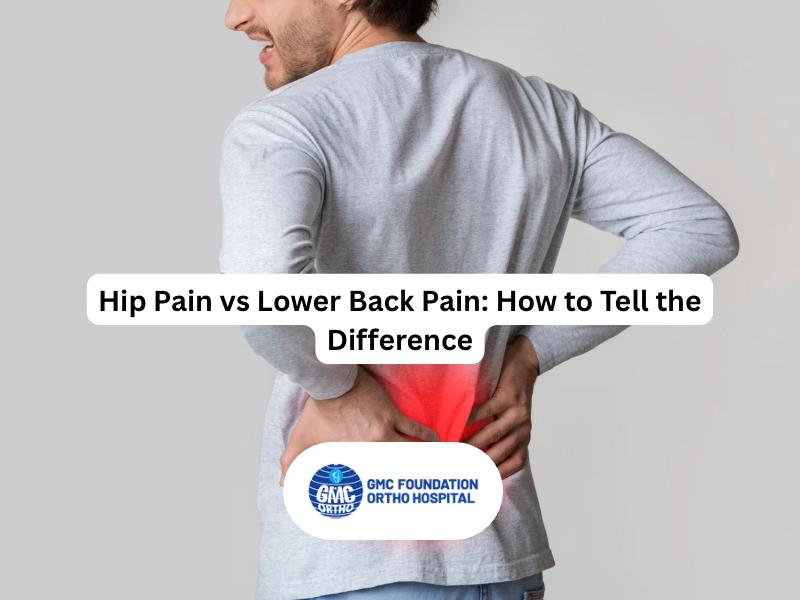
Hip Pain vs Lower Back Pain: How to Tell the Difference
August 11, 2026- Pain around the hip, buttocks or lower back can make walking, sitting, climbing stairs and other daily tasks hard to do. One of the confusing parts about these symptoms is that hip pain and lower back pain can feel very similar. In some cases a problem in the back can even cause pain that feels like it is coming from the hip or leg.
- Knowing where the pain starts how it. What makes it worse can help.. Only a real medical check-up can find the exact reason.
Where Does Hip Pain Usually Happen?
- Pain that comes from the hip joint is often felt in the groin the front of the thigh or around the hip. It can sometimes go toward the knee. Problems with the hip can also lead to joints and trouble moving. This can make walking climbing stairs getting into a car or putting on shoes difficult.
- Common causes of hip pain include osteoarthritis, injuries to muscles or tendons bursitis, sports injuries and broken bones. For example hip arthritis can cause pain and stiffness that gets worse when walking or doing activities that put weight on the hip.
What Does Lower Back Pain Feel Like?
- Lower back pain is usually felt in the part of the back. It can come from muscles or ligaments changes in the spinal discs or joints or other issues with the spine.
- Sometimes problems in the back can cause pain in the buttocks, hip, thigh or leg. This means that even though the real problem is in the spine the pain might feel like it is coming from another place.
- When a nerve in the back is irritated or pressed it can lead to a condition called sciatica. This can cause sharp, burning or shooting pain that moves from the back or buttock down the leg. It might also cause tingling, numbness or weakness.
Hip Pain vs Lower Back Pain: Main Differences
Even though the symptoms can be alike some patterns can help tell them
Hip-related pain may:
- Be felt in the groin or front of the hip
- Get worse when walking or doing things that put weight on the hip
- Cause tightness in the hip joint
- Make it hard to get in or out of a car
- Affect movements that need bending or turning the hip
Lower back-related pain may:
- Be focused in the lower back or buttocks
- Move down the thigh or leg
- Cause burning, shooting or electric-like pain
- Come with tingling or numbness
- Sometimes lead to weakness in the leg
These signs are not always certain. Hip issues can cause pain in places and spine problems can also cause pain around the hip.
Why Is It Important to Find the Cause?
Treating the area may not fix the real problem. For example pain around the hip might actually be coming from the back. Also someone might think the back is the problem when the real issue is in the hip joint.
An orthopedic doctor will look at your hip, spine the way you walk how much you can move, your muscle strength and your nervous system. Based on what they see they might suggest tests like X-rays or MRI scans to find the cause of the pain.
When Should You See a Doctor?
If you have mild pain that comes and goes it might get better with changes in your activities and rest. But you should see a doctor if the pain:
- Lasts a time or keeps coming back
- Gets worse over time
- Makes it hard to walk or do normal things
- Affects your sleep
- Causes a lot of stiffness
- Makes your leg feel numb, tingling or weak
- If you have severe hip pain after a fall or injury can't put weight on the leg or have sudden severe symptoms you need to get help right away.
- Same for back pain. If you have serious or getting weakness or numbness in both legs numbness in the groin or buttocks or new problems with going to the bathroom you need to see a doctor right away.
Treatment Varies Based on the Cause
- Once the reason for the pain is known treatment can be made to fit the persons condition. Depending on what's found treatment might include changing activities taking medicine doing physical therapy doing certain exercises getting injections or having surgery if needed.
- For hip arthritis treatment can range from changing lifestyle and doing physical therapy to replacing the joint if it is very damaged. For problems treatment might include rehab, medicine or special treatments based on what is wrong.
Don't Ignore Hip or Back Pain
Hip and lower back pain can share symptoms, which makes it hard to tell what is wrong, without a doctor. Paying attention to where the pain's what it feels like can help but you should not try to diagnose yourself. An orthopedic check-up is the way to find the real problem.