9633789014
East Nadakkave, Kozhikode, 673011 9633789014
Book an Appointment
Note: This is an appointment request only Depending on the availability of the consultant, appointment will be confirmed to you through mail/call The appointment requests can be made minimum 48 hrs in advance
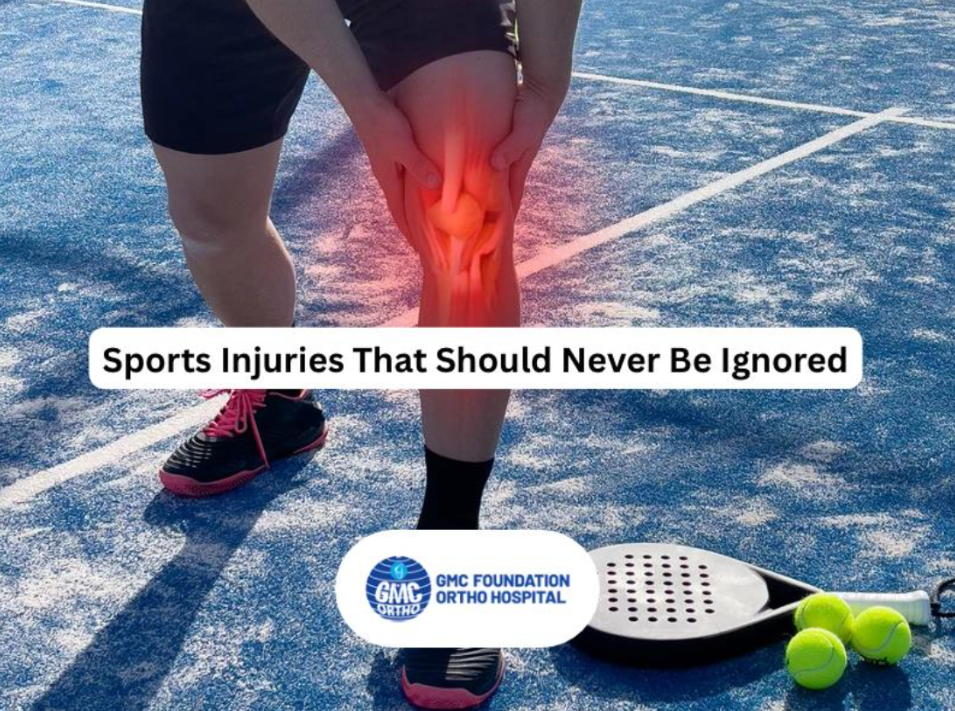
Sports Injuries That Should Never Be Ignored
August 10, 2026- Sports and physical activity are great for staying strong, fit and flexible. They help keep the body overall.. Sometimes quick moves, falling, bumping into someone doing too much or not training properly can cause injuries. Some aches go away with rest. Other sports injuries need help from a doctor.
- Not taking pain seriously or getting back to sports fast can make an injury worse. It can also take longer to get better. Knowing which signs to watch for can help players take care of their body and keep moving in the future.
Knee Injuries with a Sound
- A sudden "pop" in the knee when running, jumping, landing or changing direction may be a sign of an ACL injury or another problem with the ligaments. Other signs might be swelling, pain, trouble walking less movement in the knee or a feeling that the knee is not stable.
- ACL injuries are common in sports that need stops and changes of direction. Seeing a doctor early can help find out how bad the injury is and if tests like an MRI are needed.
Ongoing Knee Pain or Locking
- Not all knee injuries come from ligaments. A twist during sports can also harm the meniscus, which's the soft part that helps protect the knee.
- Pain, swelling, clicking sounds trouble moving or a knee that gets stuck may mean there is a meniscus injury. Some tears can get better without surgery. Others may need more help depending on how bad they are.
- If knee pain keeps happening after an injury or stops you from doing activities it should not be ignored.
Severe Ankle Sprains
- Ankle sprains are one of the common sports injuries. They usually happen when the ankle twists or rolls stretching or tearing the ligaments that hold it together.
- Mild sprains can get better with care and slowly working back into activity. But if the pain is very bad there is a lot of swelling or bruising you can't put weight on it or you can't move the ankle you should see a doctor.
- What seems like a sprain can sometimes be a broken bone or a bigger ligament problem.
Fractures
- A hit, a bad fall or a wrong landing can break a bone. Severe pain, a shape not being able to use the leg or arm or the injured part looking wrong are signs that need quick help.
- Trying to keep playing after a break can cause more damage. The injured area should stay still while getting the care.
Shoulder Dislocations and Repeated Problems
- Sports that involve contact, throwing or falling can cause the shoulder to come out of place. Severe pain, a change in the shoulders shape trouble moving the arm or the shoulder slipping out often are signs that need attention.
- Repeated issues can make it hard to use the shoulder normally. May need help from a doctor who specializes in bones and joints. Do not try to put a shoulder back in by yourself.
Head Injuries and Possible Brain Injury
- Head injuries are very important to watch for. A brain injury can happen from a hit to the head or a strong impact that moves the brain inside the skull.
- Symptoms might be a headache feeling dizzy, confusion, trouble staying balanced feeling sick throwing up feeling sleepy trouble concentrating or problems talking.
- An athlete who might have a brain injury should not go back to sports until a doctor says it's safe. Playing with symptoms can increase the chance of another injury.
Pain That Keeps Returning
- Some players keep going because the pain goes away with rest.. If the pain comes back often it might mean something deeper is wrong like too much use a problem with the tendons, unstable joints or not enough rest.
- Pain that keeps happening during training should be checked out of just taking medicine or ignoring it.
What Should You Do After a Sports Injury?
- First stop what you were doing and avoid putting pressure on the injured area. For injuries rest, ice, compression and elevating the area can help with swelling. But if the pain is very bad swelling gets worse you can't put weight on it there is a look numbness or symptoms keep happening you need help from a doctor.
- Getting the right diagnosis is important because treatment depends on what kind of injury it's. Treatment might include changing activities, medicine, therapy using a brace, rehab or surgery.
Don't Let an Injury Become a Long-Term Problem
- Sports injuries can happen to anyone whether you are a pro a weekend player or someone who exercises sometimes. Some injuries get better with rest and rehab. Others need special help from a doctor.
- If pain, swelling, not feeling steady or trouble moving continues after a sports injury don't ignore it. Talk to a doctor who works with bones and joints and find out the way to get better before going back, to the game.