Book an Appointment
Note: This is an appointment request only Depending on the availability of the consultant, appointment will be confirmed to you through mail/call The appointment requests can be made minimum 48 hrs in advance
Summer Sports Injuries: Prevention Tips | GMC
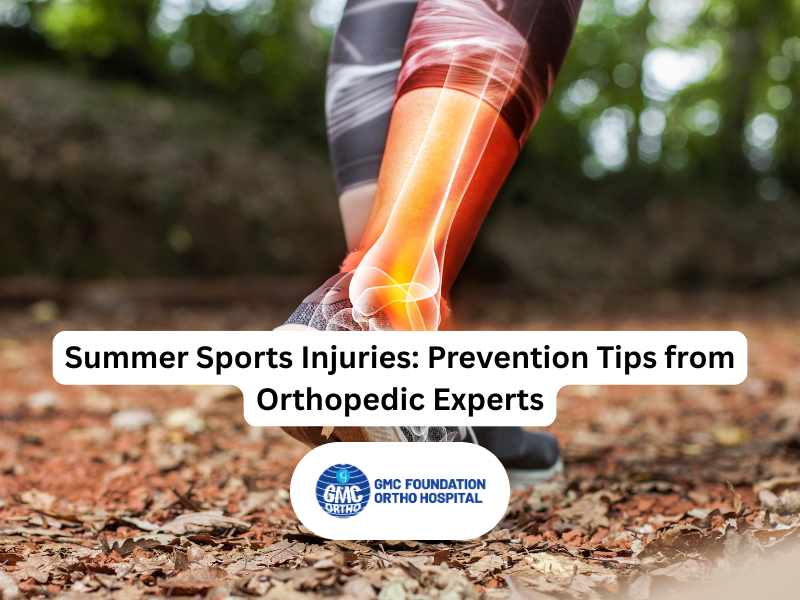
May 1, 2025Summer Sports Injuries: Prevention Tips from Orthopedic Experts
Summer is the season of sunshine, long days, and outdoor activities. Whether you're hitting the tennis court, training for a marathon, or simply enjoying a game of beach volleyball, warm weather invites people of all ages to get active. However, with increased physical activity comes a higher risk of sports-related injuries—especially to the bones, joints, and muscles.
Orthopedic injuries tend to spike in the summer months, but with the right knowledge and precautions, most can be avoided. In this blog, we’ll explore common summer sports injuries and provide expert-backed tips to keep you moving safely all season long.
Common Summer Sports Injuries
Orthopedic specialists frequently treat the following injuries during summer:
1. Sprains and Strains
- Cause: Sudden twisting or overstretching of ligaments (sprains) or muscles/tendons (strains).
- Common sports: Soccer, basketball, hiking, and running.
2. Fractures
- Cause: High-impact falls or collisions.
- Common sports: Skateboarding, cycling, and contact sports.
3. Tendonitis
- Cause: Overuse of tendons, often due to repetitive motion.
- Common sports: Tennis (tennis elbow), golf (golfer’s elbow), and swimming (shoulder tendonitis).
4. Dislocations
- Cause: Sudden impact or falls that force a joint out of its normal position.
- Common sports: Football, rugby, and rock climbing.
5. Heat-Related Illnesses
- Cause: Dehydration and prolonged exposure to heat.
- Common issue: While not an orthopedic injury, heat exhaustion can increase the risk of falls and poor coordination, leading to injury.
Why Summer Increases Injury Risk
There are several reasons orthopedic injuries are more common in summer:
- More physical activity: People are more active and often take on new or intense workouts without proper conditioning.
- Inappropriate footwear: Sandals or non-supportive shoes increase the risk of slips and foot injuries.
- Dehydration: A lack of hydration leads to muscle fatigue and cramping.
- Uneven terrain: Outdoor activities often involve unpredictable surfaces like sand, gravel, or grass.
- Lack of warm-up: Warm weather might give a false sense of readiness, causing people to skip warm-up routines.
Expert Tips to Prevent Summer Sports Injuries
Orthopedic experts emphasize prevention through preparation. Here are top strategies to stay safe:
1. Warm Up and Cool Down
Never skip your warm-up. Start with dynamic stretches (e.g., leg swings, arm circles) to prepare your muscles. Post-activity, include static stretches to relax muscles and reduce soreness.
Orthopedic tip: A proper 10-minute warm-up can significantly reduce muscle strain risk.
2. Hydrate Effectively
Dehydrated muscles are more prone to cramping and fatigue, which increases the likelihood of injury.
- Drink water regularly before, during, and after physical activity.
- Avoid excessive caffeine or alcohol, which deplete fluids.
- Consider electrolyte-rich drinks for extended outdoor activities.
3. Use the Right Gear
Make sure your equipment suits the sport and your body type:
- Footwear: Supportive shoes with good arch support are crucial.
- Protective gear: Helmets, knee pads, and wrist guards can prevent fractures in high-risk activities like cycling and skateboarding.
- Proper clothing: Wear moisture-wicking and breathable materials to stay cool.
4. Train Gradually
Don’t go from couch to competition. Increase your training intensity and duration gradually, especially after a sedentary winter or spring.
Orthopedic insight: Sudden spikes in activity are a leading cause of tendonitis and overuse injuries.
5. Cross-Train to Avoid Overuse
Mix up your routine to give overused muscles a break. For example, alternate running days with swimming or cycling to reduce impact on joints.
6. Rest and Recovery
Listen to your body. Pain is a signal—not a challenge to push harder.
- Take rest days to allow muscles and joints to recover.
- Use ice therapy for minor inflammation or soreness.
- Don’t ignore persistent pain—consult an orthopedic specialist.
7. Know Your Environment
Outdoor sports often take place on uneven or unfamiliar surfaces. Check for:
- Slippery areas
- Loose gravel or sand
- Hidden holes or divots
Being aware of your surroundings can prevent falls and ankle sprains.
When to See an Orthopedic Specialist
While many minor injuries heal with rest and home care, others require professional attention. Seek orthopedic help if you experience:
- Persistent swelling or bruising
- Difficulty bearing weight
- Joint instability
- Recurrent pain after activity
- Reduced range of motion
Early diagnosis and treatment can prevent a small injury from turning into a long-term issue.
Final Thoughts
Summer is the perfect time to get outdoors and get active—but safety should never take a back seat. By following these orthopedic expert tips, you can reduce your injury risk and enjoy the season pain-free. Whether you’re an athlete, weekend warrior, or just getting started, prevention is always better than treatment.
Stay smart, stay safe, and make the most of your active summer!