
Book an Appointment
Note: This is an appointment request only Depending on the availability of the consultant, appointment will be confirmed to you through mail/call The appointment requests can be made minimum 48 hrs in advance
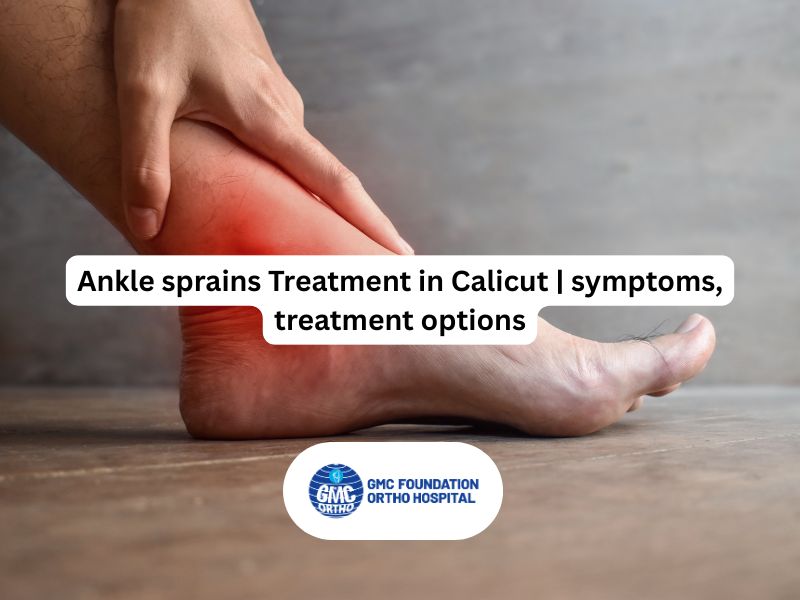
Ankle Sprains: Why Proper Treatment Matters | GMC Calicut
June 15, 2026Ankle Sprains: Why Proper Treatment Matters
Ankle sprains are among the most common musculoskeletal injuries affecting people of all ages. Whether you're an athlete, a fitness enthusiast, or someone who simply missed a step while walking, an ankle sprain can significantly impact your daily activities. While many people consider ankle sprains to be minor injuries that heal on their own, improper treatment can lead to chronic pain, instability, and recurring injuries.
Understanding the importance of proper diagnosis, treatment, and rehabilitation is essential for a complete recovery and long-term ankle health.
What Is an Ankle Sprain?

An ankle sprain occurs when the ligaments that support the ankle are stretched or torn beyond their normal range. Ligaments are strong bands of tissue that connect bones and help stabilize joints.
Most ankle sprains happen when the foot twists inward, causing injury to the ligaments on the outer side of the ankle. This can occur during sports activities, running, jumping, uneven walking surfaces, or accidental slips and falls.
Common Causes of Ankle Sprains
Several situations can increase the risk of an ankle sprain:
- Walking or running on uneven surfaces
- Sports involving sudden direction changes, such as football, basketball, and badminton
- Improper footwear
- Weak ankle muscles
- Previous ankle injuries
- Falls and accidental twists
Athletes are particularly vulnerable due to the high demands placed on their ankles during training and competition.
Signs and Symptoms of an Ankle Sprain
The severity of symptoms depends on the extent of ligament damage. Common symptoms include:
- Pain around the ankle
- Swelling
- Bruising
- Tenderness to touch
- Difficulty walking
- Reduced range of motion
- Instability or a feeling that the ankle may "give way"
In severe cases, patients may be unable to bear weight on the affected foot.
Understanding the Different Grades of Ankle Sprains

Grade 1: Mild Sprain
A Grade 1 sprain involves slight stretching of the ligaments without significant tearing.
Symptoms include:
- Mild pain
- Minimal swelling
- Little or no joint instability
Recovery typically occurs within 1–3 weeks.
Grade 2: Moderate Sprain
This involves a partial tear of the ligament.
Symptoms include:
- Moderate pain
- Noticeable swelling
- Bruising
- Difficulty walking
Recovery may take 3–6 weeks with appropriate treatment.
Grade 3: Severe Sprain
A Grade 3 sprain involves a complete ligament tear.
Symptoms include:
- Severe pain
- Significant swelling
- Marked instability
- Inability to bear weight
These injuries often require specialized orthopedic care and a longer rehabilitation period.
Why Proper Treatment Matters

Many people ignore ankle sprains or attempt self-treatment without professional evaluation. This can lead to several complications.
1. Prevents Chronic Ankle Instability
When ligaments heal incorrectly, the ankle may remain unstable. Patients often experience repeated twisting episodes, increasing the risk of future injuries.
2. Reduces the Risk of Long-Term Pain
Untreated ligament damage can result in chronic pain that affects walking, exercise, and daily activities.
3. Ensures Accurate Diagnosis
Not every ankle injury is a simple sprain. Symptoms may also indicate:
- Fractures
- Tendon injuries
- Cartilage damage
- Joint dislocations
Proper medical evaluation helps identify the exact cause of symptoms and ensures appropriate treatment.
4. Speeds Up Recovery
Early intervention allows patients to recover more efficiently and safely return to work, sports, and routine activities.
5. Prevents Arthritis
Repeated ankle injuries and chronic instability can increase the risk of developing ankle arthritis later in life.
Initial Treatment for Ankle Sprains
Immediate care is crucial in the first 48 hours after injury.
The RICE Method
Rest
Avoid activities that place stress on the injured ankle.
Ice
Apply ice packs for 15–20 minutes every few hours to reduce swelling and pain.
Compression
Use an elastic bandage or ankle support to minimize swelling.
Elevation
Keep the ankle elevated above heart level whenever possible.
These measures help control inflammation and improve comfort during the early stages of healing.
When Should You See an Orthopedic Specialist?
Medical attention should be sought if:
- Pain is severe
- Swelling is significant
- You cannot walk comfortably
- Symptoms worsen after a few days
- There is visible deformity
- The injury occurred during sports competition
- You experience repeated ankle sprains
An orthopedic evaluation may include physical examination and imaging studies such as X-rays, ultrasound, or MRI scans.
The Role of Physiotherapy in Recovery
Physiotherapy plays a critical role in restoring strength, flexibility, balance, and stability.
A rehabilitation program may include:
Range of Motion Exercises
These exercises help restore normal ankle movement.
Strengthening Exercises
Building strength in the muscles surrounding the ankle improves joint stability.
Balance Training
Balance exercises retrain the body's ability to control movement and prevent future injuries.
Functional Training
Athletes and active individuals undergo sport-specific rehabilitation before returning to play.
Skipping rehabilitation is one of the most common reasons for recurring ankle problems.
Can Surgery Be Necessary?
Most ankle sprains heal successfully with conservative treatment. However, surgery may be considered when:
- Ligaments are completely torn
- Chronic instability persists
- Conservative treatment fails
- Associated injuries are present
Modern orthopedic techniques can effectively repair damaged ligaments and restore ankle stability when necessary.
Tips to Prevent Future Ankle Sprains
Preventive measures include:
- Wearing appropriate footwear
- Performing ankle-strengthening exercises
- Warming up before physical activity
- Improving balance and coordination
- Using ankle braces during high-risk sports
- Maintaining a healthy body weight
Individuals with a history of ankle sprains should pay particular attention to preventive exercises.