9633789014

East Nadakkave, Kozhikode, 673011 9633789014
Book an Appointment
Note: This is an appointment request only Depending on the availability of the consultant, appointment will be confirmed to you through mail/call The appointment requests can be made minimum 48 hrs in advance
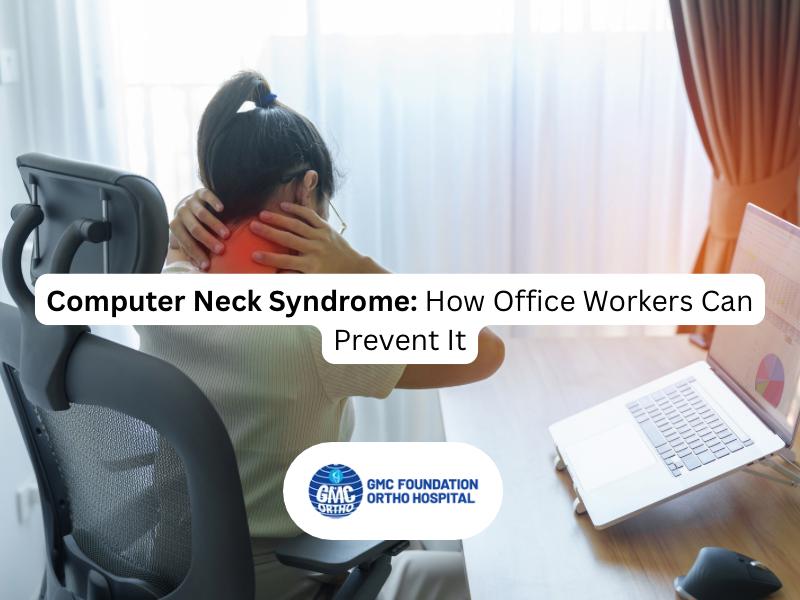
Computer Neck Syndrome: How Office Workers Can Prevent It
July 21, 2026Neck Syndrome is a problem for people who work on computers all day. We use computers, laptops and smartphones a lot. This can cause neck pain and other issues. Computer Neck Syndrome is also known as Tech Neck or Text Neck. This is a concern for office workers, students and professionals who spend a lot of time using devices. If you do not do something about it you can get neck pain, shoulder stiffness, headaches and even long-term spinal problems.
What is Computer Neck Syndrome?
Computer Neck Syndrome happens when you bend your head forward for a time while using computers, laptops, tablets or smartphones. Your head is heavy. When you tilt it forward it puts a lot of pressure on your neck. This can cause a lot of stress on the muscles, ligaments and discs in your neck. Over time this can cause inflammation, muscle fatigue, poor posture and even damage to your neck.Common symptoms of Computer Neck Syndrome are:
- Neck pain or stiffness
- Pain between the shouldershoulder tightness
- headachesReduced neck movement
- Numbness in the arms or fingers
- Upper back pain
- Muscle fatigue after working on the computer for a time
Why are office workers more likely to get Computer Neck Syndrome?
Many office workers sit at a desk for 8 to 10 hours a day. Do not move around much. Some things that office workers do that can cause Computer Neck Syndrome are:- Looking down at laptops for a time
- Having a desk that is not set up well
- Slouching while sitting
- Holding the phone between the shoulder and ear
- Using smartphones during breaks
- Not stretchingNot being physically fit
How can you stop yourself from getting Computer Neck Syndrome?
The good news is that you can prevent Computer Neck Syndrome by making a simple changes to your life and workplace.- Sit up straight. Keep your back supported by your chair. Keep your shoulders relaxed and your feet flat on the floor. Your ears should be in line with your shoulders.
- Put your computer screen in the position. It should be right in front of you and the top of the screen should be at or slightly below eye level.
- Follow the 20-20-20 rule: every 20 minutes, look at something 20 feet away for at least 20 seconds. This can help reduce eye strain and remind you to change your posture.
- Get up. Move around every 30 to 60 minutes to relieve muscle tension and improve circulation.
- Do exercises that strengthen your neck and back muscles. A physiotherapist can recommend exercises that're right for you.
- Use a desk that is set up well for your body. This can include a chair that supports your back a monitor that you can adjust a keyboard that's at a comfortable height and a mouse that is easy to use.
- Do not use your smartphone much. Try to keep it at eye level of bending your head down to look at it.
When should you see a doctor who specializes in bones?
If you have neck pain that lasts for than two weeks or if you have severe neck stiffness pain that goes down your arms, numbness or tingling weakness in your hands or trouble turning your neck you should see a doctor.What can you do to treat Computer Neck Syndrome?
The treatment plan will depend on how bad your symptomsre. At GMC Ortho Hospital, the doctors who specialize in bones will try to relieve your pain and fix the problem.Treatment may include:
- A detailed evaluation of your bones
- Digital imaging if needed
- Medication to relieve pain
- Physiotherapy and posture correction
- Exercises to. Strengthen your muscles
- Advice on how to set up your desk
- Changes to your lifestyle
- Advanced treatment for neck problems if needed
How can you keep your neck healthy, at work?
You can make a difference by developing healthy habits every day.Remember to:
- Sit up all day.
- Adjust your chair. Monitor correctly.
- Do not look down at your phone for a time.
- Stretch your neck and shoulders
- Stay active when you are not working.
- Drink water and stay fit.