Book an Appointment
Note: This is an appointment request only Depending on the availability of the consultant, appointment will be confirmed to you through mail/call The appointment requests can be made minimum 48 hrs in advance
Understanding Meniscus Injuries: Symptoms, Causes, and Treatment Options
June 10, 2024Meniscus injuries are common among athletes and active individuals, but they can affect anyone. The meniscus is a C-shaped piece of cartilage in the knee that acts as a cushion between your thigh bone (femur) and shinbone (tibia). Each knee has two menisci – the medial (inside) and lateral (outside) meniscus. A meniscus tear can lead to pain, swelling, and restricted movement, significantly impacting your daily activities. In this blog, we'll explore the symptoms, causes, and treatment options for meniscus injuries to help you understand how to manage and recover from this common knee problem.
Symptoms of a Meniscus Injury
The symptoms of a meniscus injury can vary depending on the severity and location of the tear. Common symptoms include:
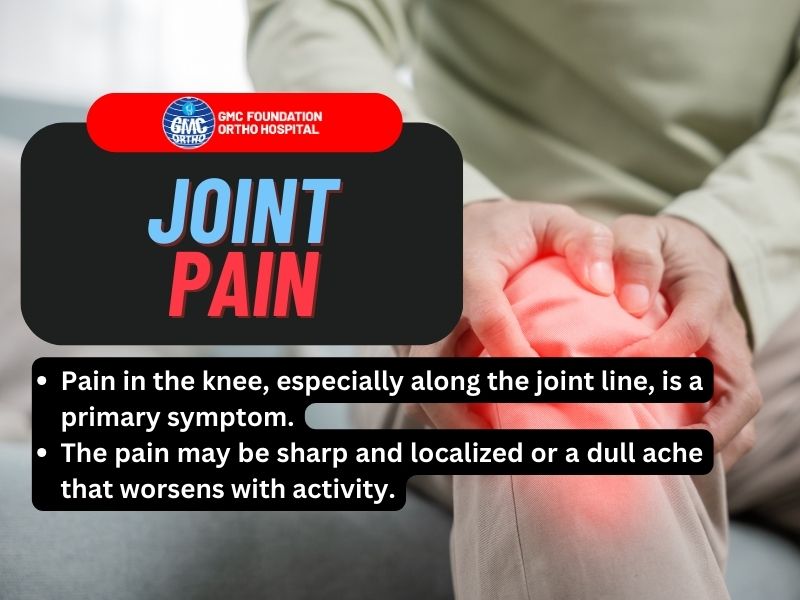
- Joint Pain:
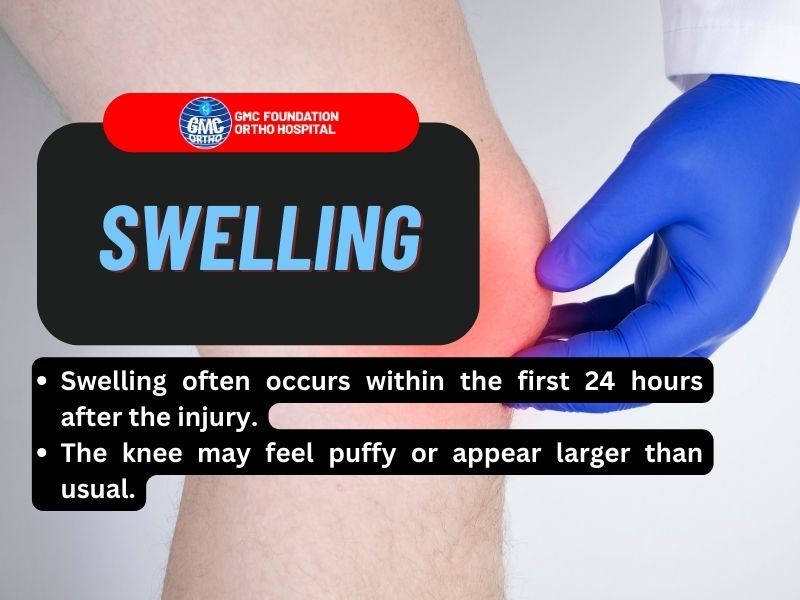
- Swelling:
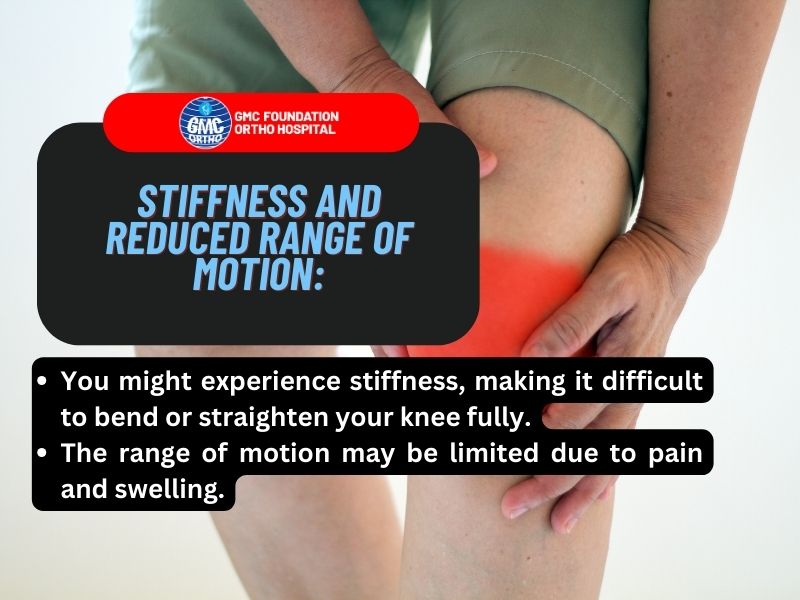
- Stiffness and Reduced Range of Motion:
- Locking or Catching Sensation:
- Instability
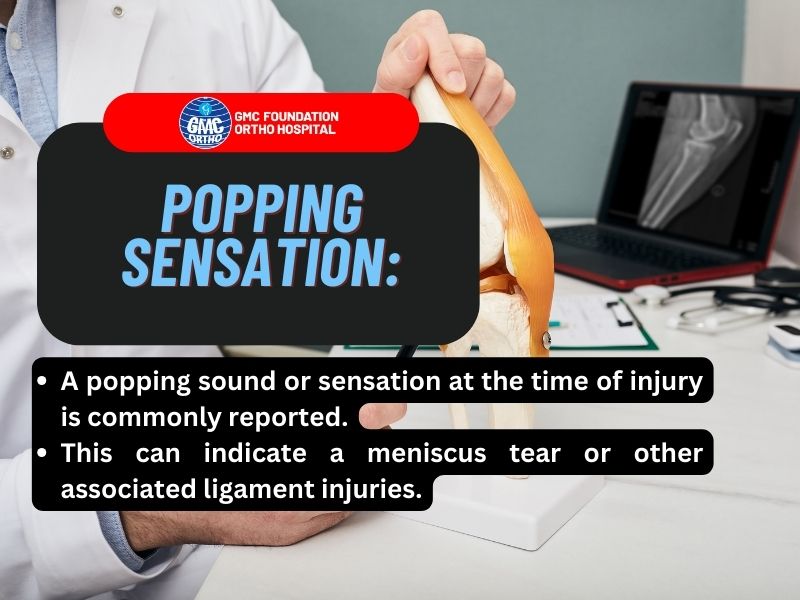
- Popping Sensation:
Causes of Meniscus Injuries
Meniscus injuries can result from various causes, including:- Trauma:
- Sudden, forceful twisting or rotating movements, especially while bearing weight, can cause a meniscus tear.
- Common in sports that involve pivoting, such as basketball, soccer, and tennis.
- Degenerative Changes:
- In older adults, the meniscus can weaken and become more prone to tears due to age-related degeneration.
- Even minor movements or stresses can lead to injury in a degenerated meniscus.
- Repetitive Stress:
- Activities that involve repetitive knee bending or squatting can put stress on the meniscus.
- Over time, this stress can cause small tears that may worsen.
Diagnosis
If you suspect a meniscus injury, it's essential to seek medical attention for a proper diagnosis. Your healthcare provider may use the following methods:- Physical Examination:
- The doctor will assess your knee's range of motion, stability, and areas of tenderness.
- Specific tests, like the McMurray test or Apley grind test, can help identify a meniscus tear.
- Imaging Tests:
- MRI (Magnetic Resonance Imaging): Provides detailed images of soft tissues, including the meniscus, to confirm the presence and extent of a tear.
- X-rays: While they don't show meniscal tears, X-rays can rule out other bone-related issues.
Treatment Options
Treatment for a meniscus injury depends on the tear's severity, location, and your overall health and activity level. Options include:- Conservative Treatment:
- Rest, ice, compression, and elevation (RICE) to reduce pain and swelling.
- Physical therapy to strengthen the muscles around the knee and improve flexibility.
- Nonsteroidal anti-inflammatory drugs (NSAIDs) to manage pain and inflammation.
- Surgical Treatment:
- Arthroscopic Surgery: A minimally invasive procedure where a camera and instruments are inserted through small incisions to repair or remove the torn meniscus.
- Meniscectomy: Partial or complete removal of the damaged meniscus if repair is not possible.
- Meniscus Repair: Suturing the torn edges together to promote healing, typically considered for younger patients with a good blood supply to the affected area.
Rehabilitation and Recovery
Recovery from a meniscus injury varies based on the treatment approach:- Non-Surgical: Rehabilitation focuses on restoring strength and mobility through physical therapy. Most individuals can return to normal activities within a few weeks to months.
- Surgical: Post-surgery rehabilitation involves a structured physical therapy program. Recovery may take several months, depending on the surgery type and individual healing rates.
Prevention Tips
To minimize the risk of meniscus injuries, consider the following tips:- Strengthen Muscles: Regular exercises to strengthen the quadriceps, hamstrings, and other supporting muscles around the knee can provide better joint stability.
- Maintain Flexibility: Stretching exercises can improve flexibility and reduce the risk of injury.
- Use Proper Techniques: Ensure correct techniques during sports and physical activities to avoid undue stress on the knees.
- Wear Appropriate Footwear: Proper shoes can provide the necessary support and cushioning for your activities.