Preventing Sports Injuries: Advice from Orthopedic Specialists
May 1, 2024
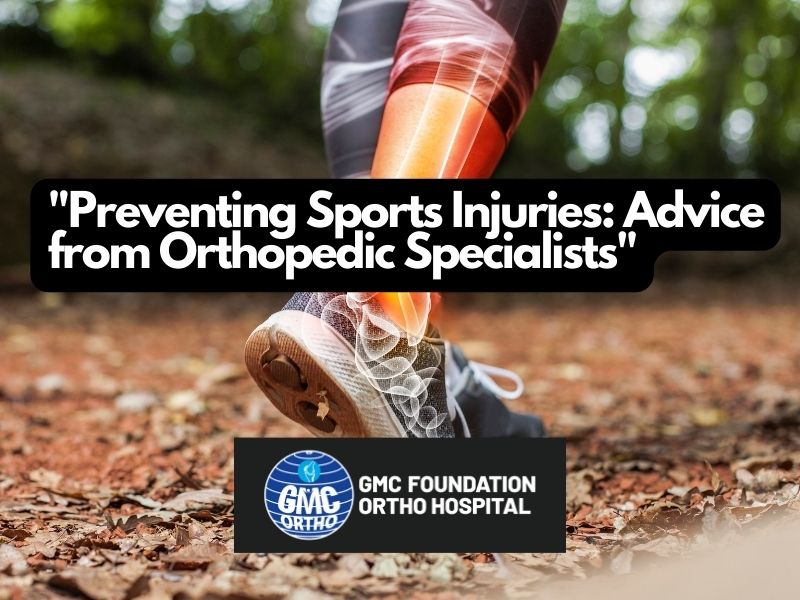
Engaging in sports and physical activities is a fantastic way to stay healthy and fit. However, it also comes with the risk of injuries. Whether you’re a professional athlete or a weekend warrior, preventing sports injuries is crucial for maintaining long-term health and performance. Our orthopedic specialists share expert advice to help you stay injury-free while enjoying your favorite sports.
1. Proper Warm-Up and Cool-Down
A thorough warm-up is essential to prepare your muscles and joints for physical activity. Start with light aerobic exercises such as jogging or jumping jacks to increase your heart rate and blood flow. Follow this with dynamic stretches that mimic the movements of your sport. After your activity, take the time to cool down with gentle stretching to help your muscles recover and reduce soreness.
2. Strength and Conditioning
Building strength and endurance is key to preventing injuries. Focus on strengthening the core muscles, as they provide stability and support for the entire body. Incorporate exercises that target different muscle groups, including the legs, arms, and back. A well-rounded conditioning program improves overall fitness and resilience against injuries.
3. Use Proper Technique
Using correct technique is vital for preventing sports injuries. Whether you’re lifting weights, running, or playing a sport, improper form can lead to overuse injuries and acute injuries. Consider working with a coach or trainer to learn and maintain proper technique, especially when starting a new activity or sport.
4. Wear Appropriate Gear
Always use the right equipment and protective gear for your sport. This includes well-fitting shoes, helmets, pads, and braces as needed. Proper gear can prevent injuries such as sprains, fractures, and concussions. Make sure your equipment is in good condition and replace it when necessary.
5. Stay Hydrated and Maintain Nutrition
Hydration and nutrition play a significant role in injury prevention. Dehydration can lead to muscle cramps and fatigue, increasing the risk of injury. Drink plenty of water before, during, and after your activity. Additionally, maintain a balanced diet rich in vitamins, minerals, and proteins to support muscle health and recovery.
6. Listen to Your Body
Pay attention to your body’s signals and avoid pushing through pain. Pain can be an indicator of overuse or an impending injury. If you experience persistent discomfort, take a break and consult a healthcare professional. Rest and recovery are just as important as training to prevent injuries and improve performance.
7. Gradual Progression
Increase the intensity, duration, and frequency of your activity gradually. Sudden increases in activity level can overload your muscles and joints, leading to injuries. Follow a structured training program that allows for gradual progression and includes rest days to give your body time to adapt and recover.
8. Cross-Training
Incorporating different types of exercises into your routine can help prevent overuse injuries. Cross-training allows you to work various muscle groups and reduces repetitive strain on specific areas. For example, if you’re a runner, consider adding swimming or cycling to your routine to give your legs a break while still maintaining fitness.
9. Regular Check-Ups
Regular check-ups with an orthopedic specialist can help identify potential issues before they become serious injuries. A specialist can assess your musculoskeletal health, provide personalized advice, and recommend exercises or treatments to address any concerns.