Book an Appointment
Note: This is an appointment request only Depending on the availability of the consultant, appointment will be confirmed to you through mail/call The appointment requests can be made minimum 48 hrs in advance
Understanding Flat Feet and Knock Knees in Children
June 15, 2026Understanding Flat Feet and Knock Knees in Children
Many parents become concerned when they notice their child’s feet appear flat or their knees touch while standing. Flat feet and knock knees are among the most common orthopedic concerns in children. In many cases, these conditions are a normal part of growth and development and improve naturally with age. However, some children may require medical evaluation and treatment to prevent future complications.
Understanding the causes, symptoms, and treatment options can help parents make informed decisions about their child's musculoskeletal health.
What Are Flat Feet?
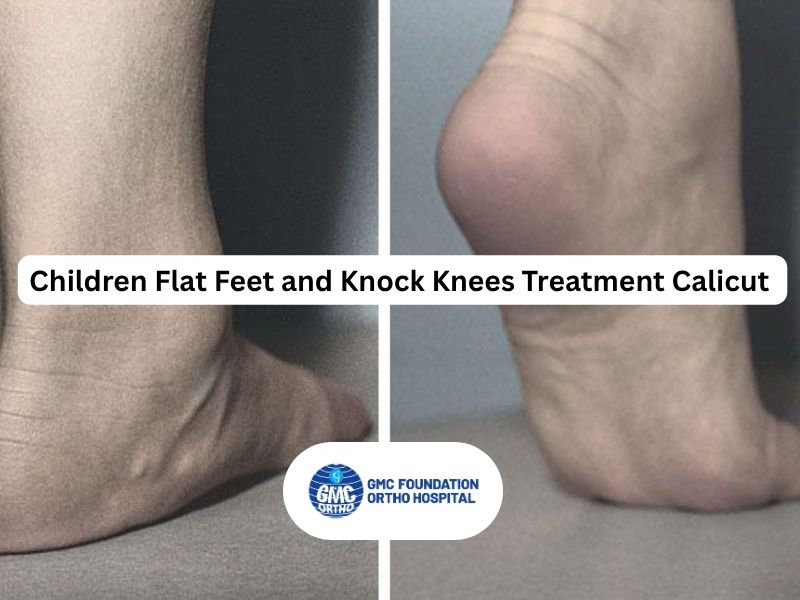
Flat feet, also known as pes planus, occur when the arches of the feet are absent or appear flattened. When a child stands, the entire sole of the foot may touch the ground.
Flat feet are extremely common in infants and young children because the arch has not yet fully developed. Most children gradually develop a normal arch as they grow.
Types of Flat Feet
Flexible Flat Feet
This is the most common type in children.
Characteristics include:
- Arch appears when the child sits or stands on tiptoes.
- Arch disappears while standing normally.
- Usually painless.
- Often improves naturally with age.
Rigid Flat Feet
This is less common and may indicate an underlying orthopedic condition.
Characteristics include:
- Arch remains absent in all positions.
- Stiffness of the foot.
- Pain during walking or physical activity.
- May require specialist evaluation.
What Causes Flat Feet in Children?
Several factors can contribute to flat feet:
- Normal developmental changes
- Family history
- Loose ligaments (ligament laxity)
- Obesity
- Neuromuscular disorders
- Congenital foot abnormalities
- Certain genetic conditions
In most cases, flexible flat feet are simply part of normal childhood development.
Signs and Symptoms of Flat Feet
Many children with flat feet have no symptoms at all. However, some may experience:
- Foot pain
- Heel pain
- Leg fatigue
- Difficulty participating in sports
- Frequent tripping
- Uneven shoe wear
- Complaints of discomfort after prolonged walking
Persistent symptoms should be evaluated by a pediatric orthopedic specialist.
What Are Knock Knees?
Knock knees, medically known as genu valgum, occur when a child's knees angle inward and touch each other while the ankles remain apart.
This condition is a normal developmental stage for many children and often becomes noticeable between the ages of 2 and 6 years.
As growth continues, leg alignment usually corrects naturally.
Why Do Children Develop Knock Knees?
Common causes include:
Normal Growth and Development
Most children experience a period of knock-kneed alignment as part of normal growth.
Family History
Genetics can influence leg alignment patterns.
Obesity
Excess body weight may increase stress on the developing legs.
Nutritional Deficiencies
Vitamin D deficiency and conditions such as rickets can affect bone growth.
Underlying Bone Disorders
Rarely, certain skeletal or metabolic conditions may cause severe or persistent knock knees.
Signs and Symptoms of Knock Knees
Parents may notice:
- Knees touching while standing
- Ankles remaining apart
- Altered walking pattern
- Frequent falls
- Difficulty running
- Knee discomfort during physical activities
Mild knock knees without pain are often normal in young children.
When Should Parents Be Concerned?
Although many cases resolve naturally, medical evaluation is recommended if:
For Flat Feet
- Pain is persistent.
- The foot appears stiff.
- Walking difficulties are present.
- Symptoms worsen over time.
- One foot is affected more than the other.
For Knock Knees
- The condition persists beyond age 7–8 years.
- The deformity is severe.
- Only one leg is affected.
- The child experiences pain or limping.
- Growth abnormalities are suspected.
Early assessment helps identify any underlying issues that may require treatment.
How Are Flat Feet and Knock Knees Diagnosed?
A pediatric orthopedic specialist typically performs:
Physical Examination
The doctor evaluates:
- Walking pattern
- Foot alignment
- Knee positioning
- Range of motion
- Muscle strength
Imaging Studies
When necessary, investigations may include:
- X-rays
- Standing alignment films
- Gait analysis
- Advanced imaging for complex cases
These tests help determine whether the condition is part of normal development or requires intervention.
Treatment Options for Flat Feet
Observation
Most flexible flat feet improve naturally and only require periodic monitoring.
Supportive Footwear
Well-fitted shoes provide comfort and support during daily activities.
Orthotic Insoles
Custom or prefabricated orthotics may help relieve symptoms in children who experience pain.
Physiotherapy
Exercises can improve:
- Muscle strength
- Balance
- Flexibility
- Foot mechanics
Surgery
Surgery is rarely required and is generally reserved for severe cases that do not respond to conservative treatment.
Treatment Options for Knock Knees
Monitoring Growth
Most children improve naturally without treatment.
Weight Management
Maintaining a healthy weight reduces stress on developing joints.
Physiotherapy
Targeted exercises may improve muscle strength and movement patterns.
Treating Underlying Conditions
If nutritional deficiencies or bone disorders are present, appropriate medical treatment is necessary.
Surgical Correction
In severe or persistent cases, orthopedic procedures may be considered to improve leg alignment and function.
Can These Conditions Affect Sports Participation?
Most children with mild flat feet or knock knees can participate fully in sports and physical activities.
In fact, regular exercise often helps improve strength, coordination, and overall musculoskeletal development.
However, children experiencing pain, fatigue, or recurrent injuries should undergo orthopedic evaluation before engaging in high-impact activities.
Tips for Parents
Parents can support healthy musculoskeletal development by:
- Encouraging regular physical activity
- Providing properly fitted footwear
- Maintaining a healthy diet rich in calcium and vitamin D
- Monitoring growth and walking patterns
- Attending routine pediatric check-ups
- Seeking specialist advice when symptoms arise
Avoid attempting corrective measures without professional guidance, as many developmental variations resolve naturally.